
Why is gluten such a problem now? In the 2010s, it seemed like elimination diet recipes were all the rage. Then doctors came out against the gluten-free diet, mostly because people were eating more processed foods instead of less (and probably because of pressure from the wheat industry). But for millions of people now in , eating gluten-free makes them feel better. So what has changed about the way humans process their gluten in the last few hundred years?
Is gluten good or evil? I’ve received a couple emails just in the past week from opposite sides of the court on this one, and it just demonstrates how controversial and confusing gluten can be—especially the fact that gluten intolerance, gluten sensitivity, and celiac disease seem to be on the rise.
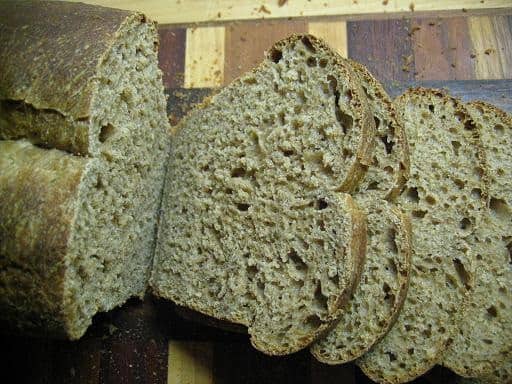
The first asked me if it was a bad thing to add “vital wheat gluten” to whole wheat bread to make it softer. The author was tired of very dense whole wheat bread and had heard that adding gluten should help the rise.
The second was rather the opposite:
Have you adapted any of your recipes to include other grains such as oatmeal and ground oat flour or corn meal in place of whole wheat flour?
I am looking forward to your response and possibly a new whole grain Kitchen Stewardship®.
I have to realize that I can’t be everything to everyone, and I certainly am not here at KS to create recipes for all allergies and sensitivities under the sun.
Then again, if we end up figuring out that my husband is one of the millions walking around with an undiagnosed gluten sensitivity, I’m sure this reader will be happy to see some more gluten-free ideas floating around here!
What Is Gluten?
Gluten is simply a protein found in wheat, barley and rye. It is what allows the elasticity of bread dough and thus the nice, fluffy rise we like in our bread products, and it also helps bread hold its shape and absorb liquids (Mmmm, soup and toast).
When you knead bread dough, it’s called developing the gluten. That is why my first reader rightfully wanted to add gluten to her bread, to get a nicer rise. It’s also one of the possible reasons so many people are having problems with gluten.
The Gluten Problem
For many people (I hesitate to say “most” anymore after the research for this post), gluten is simply another food. For an unknown number of folks, gluten causes their immune system to go into overdrive.
Celiac disease, a very serious true gluten allergy, affects an estimated 3 million Americans, many of whom don’t even know they have it. (EDIT: Thank you to many commenters who corrected my terminology: celiac disease is not an allergy but an autoimmune disease. The comments – all of them – are definitely worth a read on this post. I learned a lot more!) Celiacs should not have even a speck of wheat/gluten, or they become ill and have awful internal consequences that they might not even be able to feel until later. A study from a year ago in the Journal of the American Medical Association showed that celiacs have a 39% increased risk of death, mainly from heart disease and cancer, than the average population.
In the last 50 years, incidence of celiac disease has increased 400%. That’s quadrupling. That’s intense. I always go right to the “we have better science and are diagnosing people more accurately nowadays” argument with stats like those. This study, however, was based on blood samples from 10,000 random people. All the celiacs in the cohort were undiagnosed. Ugh.
Even more frightening than the increased rate of celiac disease and increased chance of death is this: Many people who do not have celiac disease do have inflammation of the gut related to a gluten sensitivity manifesting itself in many ways. Those folks are 72% more likely to die. Try telling that to your husband as he worries he won’t be able to eat pizza and drink beer again.
It’s possible that one-third of the American population has a gluten sensitivity. Clearly most of us don’t even know it, or our pasta-consuming, sandwich-eating ways would have to change.
RELATED: Food Mood Symptoms of Gluten Sensitivity
The problem with gluten doesn’t really hit the news, because gluten sensitivity manifests itself with many symptoms and causes other health issues. An article in the Huffington Post that was very eye-opening for me said:
We used to think that gluten problems or celiac disease were confined to children who had diarrhea, weight loss, and failure to thrive. Now we know you can be old, fat, and constipated and still have celiac disease or gluten sensitivity.
Gluten sensitivity is actually an autoimmune disease that creates inflammation throughout the body, with wide-ranging effects across all organ systems including your brain, heart, joints, digestive tract, and more. It can be the single cause behind many different “diseases.” To correct these diseases, you need to treat the cause–which is often gluten sensitivity–not just the symptoms.
Of course, that doesn’t mean that ALL cases of depression or autoimmune disease or any of these other problems are caused by gluten in everyone–but it is important to look for it if you have any chronic illness.
Since my husband already has Crohn’s Disease, an autoimmune disease, and going grain-free pretty quickly healed his gut issues this fall, I am becoming more and more concerned that we’re going to have to change our wheat-loving habits around here. (So much for my “Seeking the Perfect Homemade Whole Wheat Bread” series! Actually, I still might give it a shot, but I’ll need to learn about some gluten-free options for poor hubs).
Why Does Gluten Make People Sick?
There are a couple reasons that gluten and humans don’t get along so well.
- Wheat was introduced to the European diet (this is mostly a white person’s problem) in the Middle Ages, and a few hundred years isn’t really long enough to completely adapt to a new food.
- About 30% of people of European descent carry the gene that makes them susceptible to celiac disease.
- Gluten can cause and/or take advantage of existing leaky gut syndrome. When our bodies don’t completely digest the gluten protein, it can begin to sneak through the walls of our intestines and into the blood stream. The immune system, sensing an invader, puts out the “attack!” cry. Unfortunately, other proteins that our body does need are similar enough to the gluten protein, gliadin, that the immune system goes to work on them, too, causing breakdowns in organs, joints, and cells.I just shake my head to even think of all that going on, silently, in someone I love. Once you’re off gluten, you can heal your gut, but of course you’ll have to remove the offending cause.
Why Is Gluten Intolerance More Prevalent?
That 400% increase is a striking number. No matter the genetic tendencies or the leaky guts, one has to ask what we have done differently in the past five decades or so to cause such an increase.
I know I’ve read this somewhere, but alas, I can’t find a source for the life of me (Help? Anyone?). There is a theory that everyone has a total gluten load that their bodies can handle in a lifetime, and when that is maxed out, you’re going to be sensitive to gluten if not totally intolerant or allergic. Many older adults are developing gluten intolerances nowadays, and that is one theory as to why.
If exposure to gluten causes gluten issues, here’s what we’ve done to encourage the problem:
- Our new wheat:
In our quest for lighter bread, the wheat we generally eat in America today has been hybridized to create a much higher gluten content than in centuries past.EDIT 3/2013: I just read the opposite, that modern wheat does NOT have more gluten, but yet it has had its protein structures altered in such ways that it impacts our digestion of wheat in general, which presents itself as a gluten intolerance. I can’t say I understand all the science, but you can read the short article HERE for yourself. - Food processing and gluten: Gluten is added to many things in the food processing industry and is one of the fake meat options for vegetarian fare.
- The whole wheat bread phenomenon: The government’s push toward whole grain breads, although well-intended, has resulted in a whole generation of people eating extra gluten. Any whole wheat bread in the store, and many good whole wheat bread recipes, include additional gluten over and above that which is already in the wheat.One great breadstick recipe that I love because it goes from finding the recipe card to serving the breadsticks in under an hour and a half actually calls for 6 Tablespoons of additional gluten. That recipe makes me nervous now. How much extra gluten are we all consuming with this new trend?
Food Renegade posted on the rise of gluten intolerance a while back, quoting the Weston A Price Foundation’s Chris Masterjohn on some more systemic dietary possibilities for the cause of the massive increase in gluten intolerance today:
- Some people may possess as-yet unidentified genes that cause their immune system to think an undigested fragment of the gluten protein looks like a microbial invader.
- Some people who consume gluten may have dysbiosis — damaged gut flora — from antibiotic use or consuming foods that they cannot digest. Feeding infants grains before they are able to digest them may raise the risk of dysbiosis. In this scenario, the immune system may see the products of microbial invasion from the dysbiosis and the undigested gluten fragment at the same time and be tricked into thinking that the gluten fragment is the microbial invader.
- Low-nutrient diets may interfere with the body’s ability to suppress immune cells that are capable of attacking harmless proteins. For example, one of the chemicals the body uses to suppress these immune cells is TGF-beta,c which is upregulated by vitamin A.d A diet deficient in vitamin A, then, might undermine the body’s ability to keep its immune system from attacking harmless proteins like gluten.
UPDATE: I also wrote this article on the changes in wheat and the rise of gluten sensitivity.
What Do We Do Now?
If you think you might have a gluten sensitivity, you can test yourself by eliminating ALL gluten from your life for 2-4 weeks (including lipsticks, soy sauce, shampoo, potentially contaminated oats, etc. Do your research.). If when you try gluten again you feel horrible, that’s a pretty clear answer. (These three diets all eliminate gluten and help heal the gut.)
If you’d like to simply take some precautions to help avoid developing a gluten issue, you can watch out for added gluten in your life. Some practical tips:
- Eat fewer grains
- Eat a wider variety of grains instead of just wheat: brown rice, millet, quinoa, oats, and a bunch of others that I don’t use because I’m…uh…kind of attached to wheat.
- Avoid recipes that add gluten additionally.
- Try spelt. Spelt is an ancient form of wheat that is lower in gluten. It seems a little sweeter to me, which is actually pretty awesome sometimes. Try these spelt biscuits (also in Healthy Snacks to Go).
- Get going with sourdough. The fermentation process of sourdough begins to break down the gluten protein, enough so that some with gluten sensitivities can consume it, but not so much that it can’t give bread a nice rise. Here’s how to make a sourdough starter and the sourdough eCourse at GNOWFGLINS.
- Learn some gluten free recipes, like those in The Gluten-Free Diner Cookbook or check out the free trial of the Gluten and Wheat Free Menu Planner. My favorite gluten-free bloggers include Simply Sugar and Gluten Free (link no longer available), Gluten-Free Easily, Hope for Healing.
- Try sprouted flour. Because sprouted wheat digests as a vegetable, not a protein, it may be possible for those with gluten sensitivities to handle products baked with sprouted flour. For anyone, gluten issue or not, sprouted grains are supposed to be healthier for many reasons. You can learn to make your own sprouted flour or purchase it.
If you love anecdotal evidence like I do, you’ll be amazed at what soaking, sprouting and souring grains did for Wardeh’s daughter’s gluten sensitivity in this story.
Curious if your body doesn’t love gluten?
Bottom Line: A general blood test will NOT necessarily show if you have a gluten sensitivity.
There are 17 proteins in wheat, and you could be sensitive to any one of them. The standard gluten allergy blood test only tests for the most common and skips the other 16.
Here’s how to do an elimination diet, my friends – if you feel better, you have learned something. Something very important. (My husband did a blood test which back negative, we decided the doctor knows zilch about food and health, and we learned through experience that he most definitely, 100%, has a gluten sensitivity.)
[question]Have you ever learned anything about your body and food through an elimination diet?[/question]

For those who still might be coming to this page, it’s important to note that the scientist who originally published the paper describing “gluten sensitivity” later retracted it, saying that he had made an error in the data analysis.
Yes, that means there is no such thing as gluten sensitivity. Celiac disease certainly exists and affects an extremely tiny portion of the population.
All those people out there buying gluten-free candies and the rest of that nonsense are merely falling victim to the marketing machine that takes advantage of their lack of information.
So, unless you’ve been diagnosed by a qualified MD has having Celiac, enjoy all the gluten you want. It’s a great healthful protein!
Thanks for the perspective, Peter, I wasn’t aware that the original paper was retracted. However – so, so many more health professionals have rung in with a great deal of evidence (including anecdotal, which isn’t to be rested upon as the only proof, but is certainly important to notice) about the severity and reality of gluten sensitivity. There are many people who are not Celiac but cannot feel well with gluten in their diets. Gluten-free candy, now, of course that’s nonsense. 🙂 But gluten sensitivity is as real as a person’s stomachache, and there are volumes written on it now. Thanks! Katie
I really, really would love to know if soaking my grains is taking care of the problem of the effects of hybridized wheat. Since all of our wheat is hybridized is there a solution to this problem or am I wasting my time? I’m getting incredibly frustrated after hearing about all the horrible affects of gluten. Thank you to anyone willing to help me out.
There are websites where you can get Einkorn and Emmer wheat (aka, the oldest known wheat varieties). These are basically the same as has been eaten for thousands of years. From what I understand, the next oldest variety of wheat is durum wheat, which has fewer chromosomes than bread wheat. Durum is certainly cheaper than the emmer or einkorn, so I would go with that.
Sprouting may indeed undo the effect hybridization has had on the gluten (couldn’t say for sure). The longer you sprout the wheat, the more the gluten structure changes.
Sarah,
Soaking or sprouting makes the grain more digestible, but it really doesn’t do anything remarkable to the effect gluten might have on you, I don’t think. At least it can’t “eradicate” it. Some people who have a hard time with wheat do well when it’s soaked. Others see no difference. Unfortunately the hybridization of wheat is at the cellular level (right?…) and soaking can’t really get “in” that deeply. I don’t know if that helps at all, but it’s a start…
🙂 Katie
Hybridization is a cellular level thing, but it’s also an entire organism thing. All hybridization is, is purposefully cross-pollinating two different plants. The result is a plant with a different genetic structure than either parent plant. Humans have been doing this since the beginning of agriculture (which is part of the reason the Paleo diet argument makes no sense: we can’t eat an ancestral diet, because almost no ancestral foods even exist anymore!)
There is a great video on youtube called The Truth About Gluten by Dr den Boer in Grand Rapids, MI
DBC Natural Health. I was very closed minded on this subject.. chalking the “gluten free” all up to just being a fad. Oh how wrong I was. Well worth listening to.
Sarah,
I’m very interested in watching that, as that’s where I live! Thank you for the recommendation!! 🙂 Katie
Hi Katie
I was just reading a few of the posts that point the finger at vaccines. As a newborn I couldnt tolerate formula milk, which I understand used to (and still does) contain wheat flour as a thickener. My mother was advised to feed me watered down evaporated milk which I could tolerate. At the time no one knew why I couldnt stomach the infant formula milk. 39 years later and after suffering my whole life with health problems my symptoms have all but disapeared after cutting gluten out of my diet. So I am not convinced vaccines was the cause of my intolerance because I was still in hospital when the symptoms started. Anyway, great site, its nice to know that I am not alone out there, fellow intolerees unite!